


Choosing hardware for a door comes down to three things: durability, security, and how well the finish matches the rest of the space. Whether you're outfitting a new office building, a glass storefront, or a bathroom with a shower enclosure, the fittings you pick affect how a door feels every time it opens and how long it lasts under daily use.
Architectural Door Hardware covers everything from hinges and locks to pulls, plates, and closers. Manufacturers that specialize in this category, such as Goldtech, develop products that balance mechanical performance with design consistency, since a single building often needs matching fittings across dozens of different door types.
Common Categories of Fittings Used in Buildings
Most projects require a mix of functional and decorative fittings rather than a single product type. Below are the categories specifiers encounter most often:
Mortise locks and trim sets, used where higher security and code compliance are required
Pull handles and push plates, common on commercial entrances and retail storefronts
Shower hardware, including hinges and towel bars designed to resist moisture
Tubular latches, typically used on interior residential doors
Door coordinators, which control the closing sequence of double doors
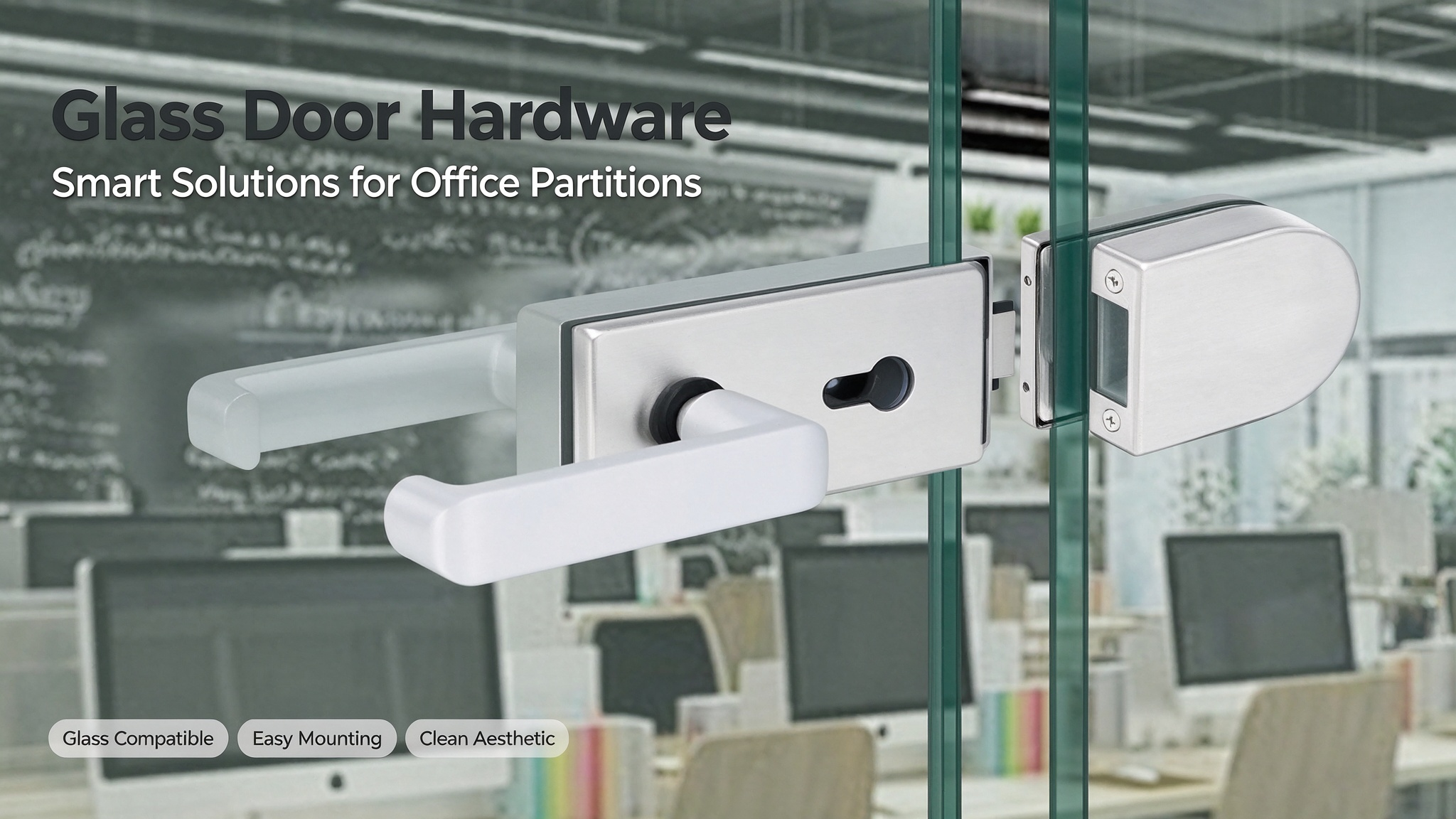
Patch fittings and sliding door systems, used primarily with frameless glass doors
Each category serves a distinct function, so a complete door assembly usually draws from several of these groups at once rather than relying on one universal fitting.
Materials and Finishes That Affect Long-Term Durability
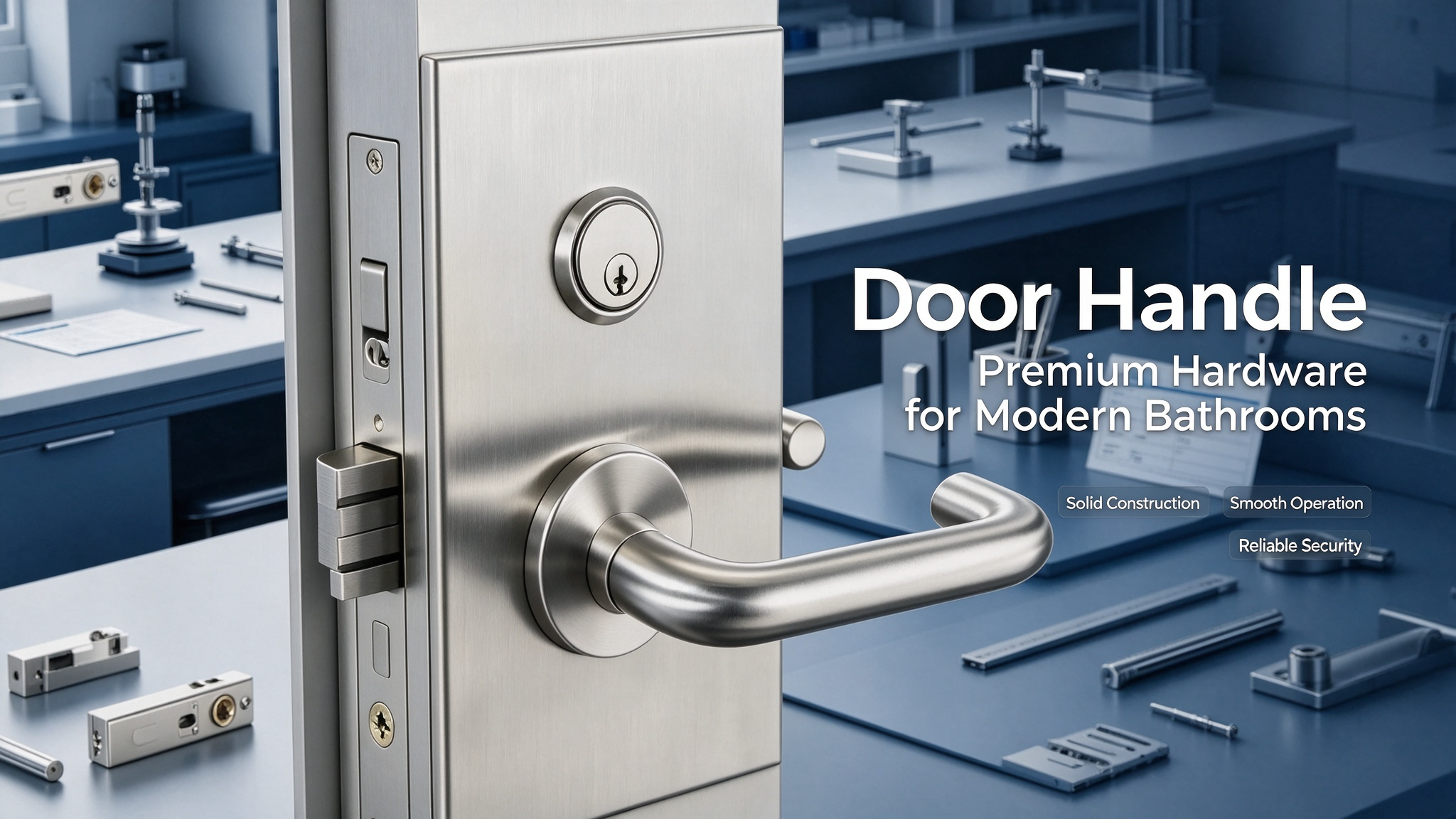
Stainless steel is the most common base material for exterior and high-traffic fittings because it resists corrosion and holds up against repeated handling. A Door Handle made from 304-grade stainless steel, for example, will typically outperform a lower-grade alloy in coastal or humid climates where moisture accelerates wear.
Finishes also matter beyond appearance. Brushed or satin finishes tend to hide fingerprints and minor scratches better than polished chrome, which is one reason they're favored in high-contact areas like office entrances and public restrooms. Powder-coated finishes add an extra layer of protection in outdoor applications, such as gates and fencing, where exposure to weather is constant.
Choosing Between Lever, Knob, and Pull Styles
Style selection isn't purely aesthetic; it also affects usability and compliance in many jurisdictions. Lever-style fittings are generally easier to operate for people with limited hand strength, which is why many accessibility codes require levers over knobs in commercial buildings.
When comparing styles, consider the following:
Lever handles offer easier one-handed operation and meet most accessibility requirements
Knob-style fittings suit lower-traffic residential interiors where code compliance isn't a factor
Pull handles work best on entrance doors without a latching mechanism, often paired with a separate lock
Recessed or flush pulls are common on sliding glass doors where a protruding handle would interfere with the track
Comparing Hardware Types at a Glance
Fitting Type | Typical Use | Common Material | Security Level |
|---|---|---|---|
Mortise Lock Trim Set | Commercial entrances, offices | Stainless steel | High |
Pull Handle & Push Plate | Storefronts, public entrances | Stainless steel, aluminum | Medium |
Tubular Latch | Interior residential doors | Zinc alloy, brass | Low to Medium |
Shower Hinge & Pull | Bathrooms, shower enclosures | Stainless steel, glass fittings | Low |
Patch Fitting | Frameless glass doors | Stainless steel | Medium to High |
Mortise Cylinder | Entry and exterior doors | Brass, nickel alloy | High |
Security Features Worth Prioritizing
Security requirements vary by building type, but a few features consistently separate reliable fittings from weaker ones. Look for hardened steel components in the locking mechanism, anti-drill cylinders, and compliance with recognized standards such as ANSI grading.
For entrances that combine access control with daily operation, a door lock with handle configuration is often specified because it integrates latching, locking, and operable hardware into a single assembly, reducing the number of separate components that can fail. This is especially relevant for high-traffic commercial entries where simplicity of operation matters as much as strength.
Installation and Maintenance Considerations
Proper installation affects both function and lifespan. Mortise locks, in particular, require precise door prep; misaligned strike plates are one of the most common causes of premature wear and operational failure.
Routine maintenance is just as important as the initial installation quality:
Lubricate moving parts, such as latch bolts and hinge pins, on a regular schedule
Check screws and mounting plates periodically, since vibration from daily use can loosen fittings over time
Clean finishes with manufacturer-recommended products to avoid dulling protective coatings
Inspect cylinders and strike plates annually in high-security applications
Manufacturers like Goldtech, which has produced architectural fittings since 2011, typically provide installation guidance and OEM/ODM support for builders working on larger projects, which can reduce the risk of improper fitting and callbacks.
Frequently Asked Questions
What's the difference between a mortise lock and a tubular latch?
A mortise lock is installed into a pocket cut directly into the door edge and generally offers higher security, while a tubular latch is a simpler bored-in mechanism suited to lower-traffic interior doors.
Can shower hardware be used on standard interior doors?
Shower hardware is designed specifically to resist moisture and is typically built for glass panel thicknesses, so it isn't a direct substitute for standard interior hinges or latches.
How do I know if a fitting is accessibility-compliant?
Accessibility compliance usually depends on operable force, shape, and height requirements; lever-style fittings mounted at code-specified heights are the most common compliant option in commercial buildings.
What finish holds up best in coastal or humid environments?
Stainless steel with a brushed or satin finish generally resists corrosion better than plated or polished finishes in environments with high moisture or salt exposure.
Do commercial buildings require different fittings than residential properties?
Commercial buildings often require higher-rated locks, accessibility-compliant levers, and closers to meet code, while residential properties have more flexibility in style and lower minimum security grading.
Final Thoughts
Selecting the right fittings for a door project means weighing function, material, and compliance requirements against the specific demands of the space, whether that's a busy office entrance, a residential interior, or a glass shower enclosure. Paying attention to material grade, finish durability, and security rating upfront tends to prevent costly replacements and operational issues later on. Suppliers such as Goldtech Hardware offer a broad catalog spanning mortise locks, pulls, shower fittings, and sliding door systems, which can simplify sourcing when a project requires multiple matching components across different door types. Taking the time to match each fitting to its intended use, rather than defaulting to a single universal product, is ultimately what keeps doors operating smoothly for years.


