


Choosing the right hardware for a door often comes down to more than looks. It affects how smoothly a door operates, how accessible it is for different users, and how well it holds up over years of daily use. Commercial buildings, offices, and private homes all have different demands, so understanding the mechanics behind common hardware styles helps you make a smarter decision.
A door handle is one of the most recognizable fittings on any entryway, found on everything from office suites to residential front doors. Its design typically combines a latch mechanism with a rotating or lever-style grip, allowing users to open the door with a simple twist or push.
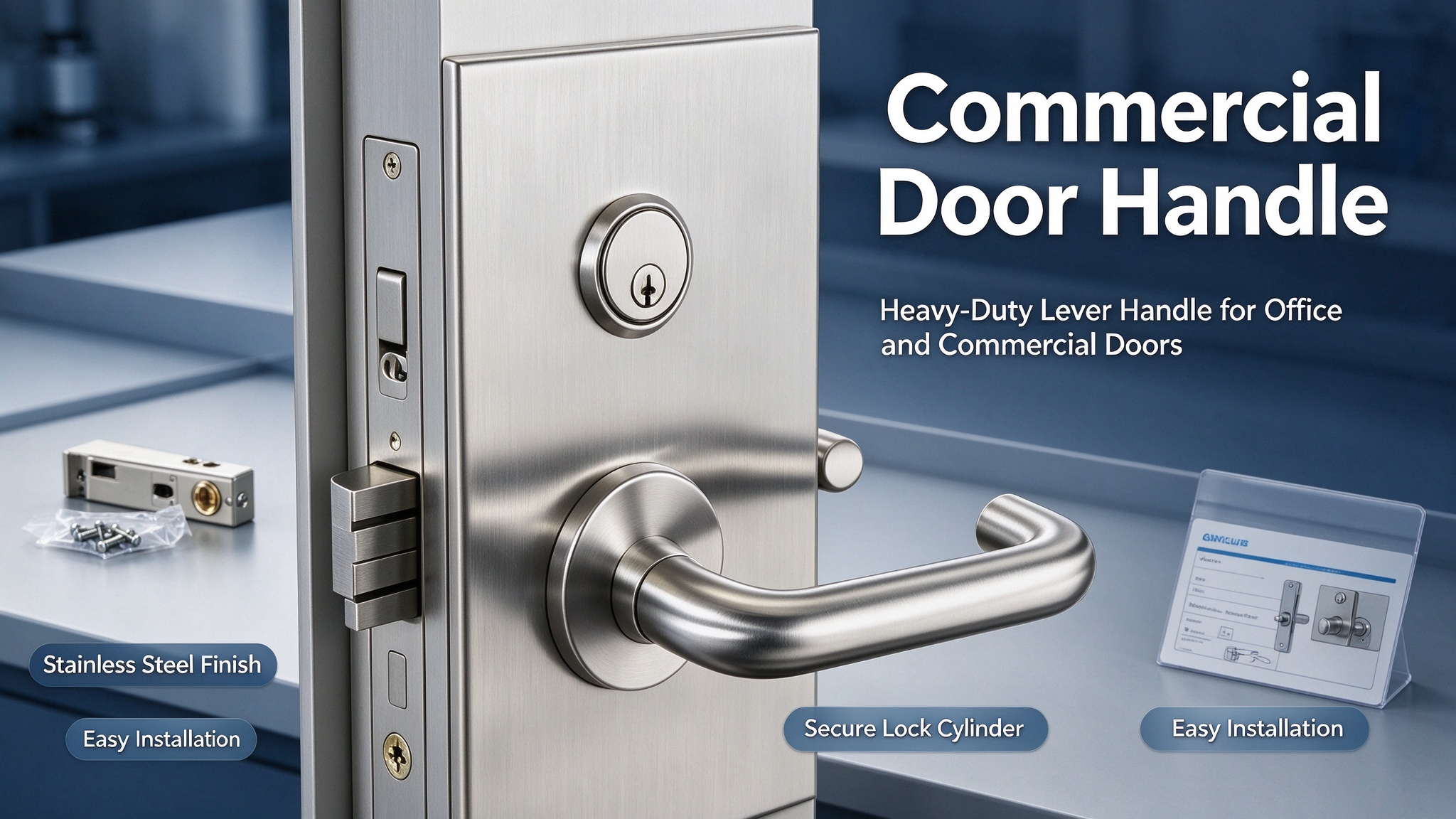
For larger or heavier doors, a pull handle is often the preferred choice. Rather than relying on a rotating mechanism, this style is mounted as a fixed bar or loop that users grip and pull toward themselves, making it a common sight on glass entry doors, storefronts, and commercial buildings where durability and visual appeal matter equally.
How Do You Decide Which Hardware Style Works Best?
Picking the right fitting depends on several factors: the weight of the door, the traffic level of the space, accessibility requirements, and the overall design aesthetic you're aiming for. A heavy glass storefront door, for example, calls for a style that can handle frequent, forceful use without loosening over time. A hospital corridor, on the other hand, prioritizes ease of use above almost everything else.
Material selection also plays a major role in longevity. Stainless steel options resist corrosion and tarnishing, which is why they dominate in both commercial and residential settings exposed to moisture or heavy foot traffic. Finishes like brushed nickel, matte black, and polished chrome allow for customization without compromising strength.
What Should You Consider for High-Traffic Commercial Spaces?
High-traffic environments like shopping centers, office lobbies, and public buildings need hardware that can withstand thousands of uses daily. Reinforced internal mechanisms, corrosion-resistant coatings, and reinforced mounting plates all extend the lifespan of hardware under constant pressure. Builders and architects often specify ANSI-grade certified fittings for these applications to guarantee compliance with safety and durability standards.
What Should You Consider for Residential or Low-Traffic Settings?
Homes and smaller offices have more flexibility since wear and tear accumulates more slowly. Here, design often takes priority, with homeowners selecting finishes and shapes that complement interior décor. Still, quality shouldn't be an afterthought. Choosing well-manufactured hardware from the start reduces maintenance headaches and replacement costs later.
How Do These Hardware Types Compare Side by Side?
Feature | Rotating Grip Style | Fixed Bar Style | Horizontal Lever Style |
|---|---|---|---|
Mechanism | Twist-and-latch | Pull-and-push, no rotation | Push-down lever action |
Common Settings | Offices, residential interiors | Glass storefronts, commercial entries | Hospitals, kitchens, accessible buildings |
Ease of Use | Moderate (requires grip strength) | High (simple pull motion) | Very high (usable with elbow or fist) |
Typical Materials | Stainless steel, brass, zinc alloy | Stainless steel, aluminum | Stainless steel, zinc alloy |
Best For | Standard interior and exterior doors | Heavy or wide entry doors | Accessibility-focused spaces |
Why Does Manufacturing Quality Matter So Much?
Not all hardware is built to the same standard. Cheaply made fittings often use thin internal components that wear out quickly, leading to loose grips, sticky latches, or complete mechanical failure within a year or two. Reputable manufacturers test their products against international quality benchmarks, including ISO certification standards, to ensure consistent performance across large production batches.
Companies with established manufacturing facilities and integrated supply chains, such as Goldtech Hardware (www.goldtechhardware.com), are able to maintain tighter quality control from raw material sourcing through to the finished product. This matters because architectural hardware isn't something most people replace often. A fitting installed today should realistically perform well for a decade or more.
Frequently Asked Questions
How do you know which hardware style suits a glass door?
Glass doors typically pair well with fixed bar-style fittings because the mounting method distributes pressure evenly across the glass surface, reducing the risk of cracking or stress fractures over time.
Is one hardware style more accessible than others for people with limited hand strength?
Yes. Horizontal lever-style fittings are generally considered the most accessible option since they can be operated with minimal grip strength, making them a common requirement in healthcare and public accessibility codes.
How often should hardware fittings be replaced or serviced?
Most quality fittings last between 10 and 15 years with proper maintenance, though high-traffic commercial settings may require more frequent inspections to catch early signs of mechanical wear.
What's the price difference between hardware styles?
Pricing varies based on material, finish, and mechanism complexity rather than style alone. Stainless steel options with reinforced internals tend to cost more upfront but last significantly longer than budget alternatives.
Can hardware fittings be customized for specific branding or design needs?
Many manufacturers offer finish customization, engraving, and size adjustments to match a building's aesthetic, particularly for commercial clients working with architects or interior designers on larger projects.
Making the Right Choice for Your Space
In short, the rotating grip style suits standard residential and office doors, the fixed bar style handles heavy commercial and glass entries well, and the horizontal lever style offers the best accessibility for healthcare and high-use environments. Weighing traffic levels, accessibility needs, and material durability against your budget will point you toward the right fit. For projects requiring certified, well-manufactured fittings, sourcing from an established supplier like Goldtech Hardware (www.goldtechhardware.com) can help ensure the hardware performs reliably for years to come.
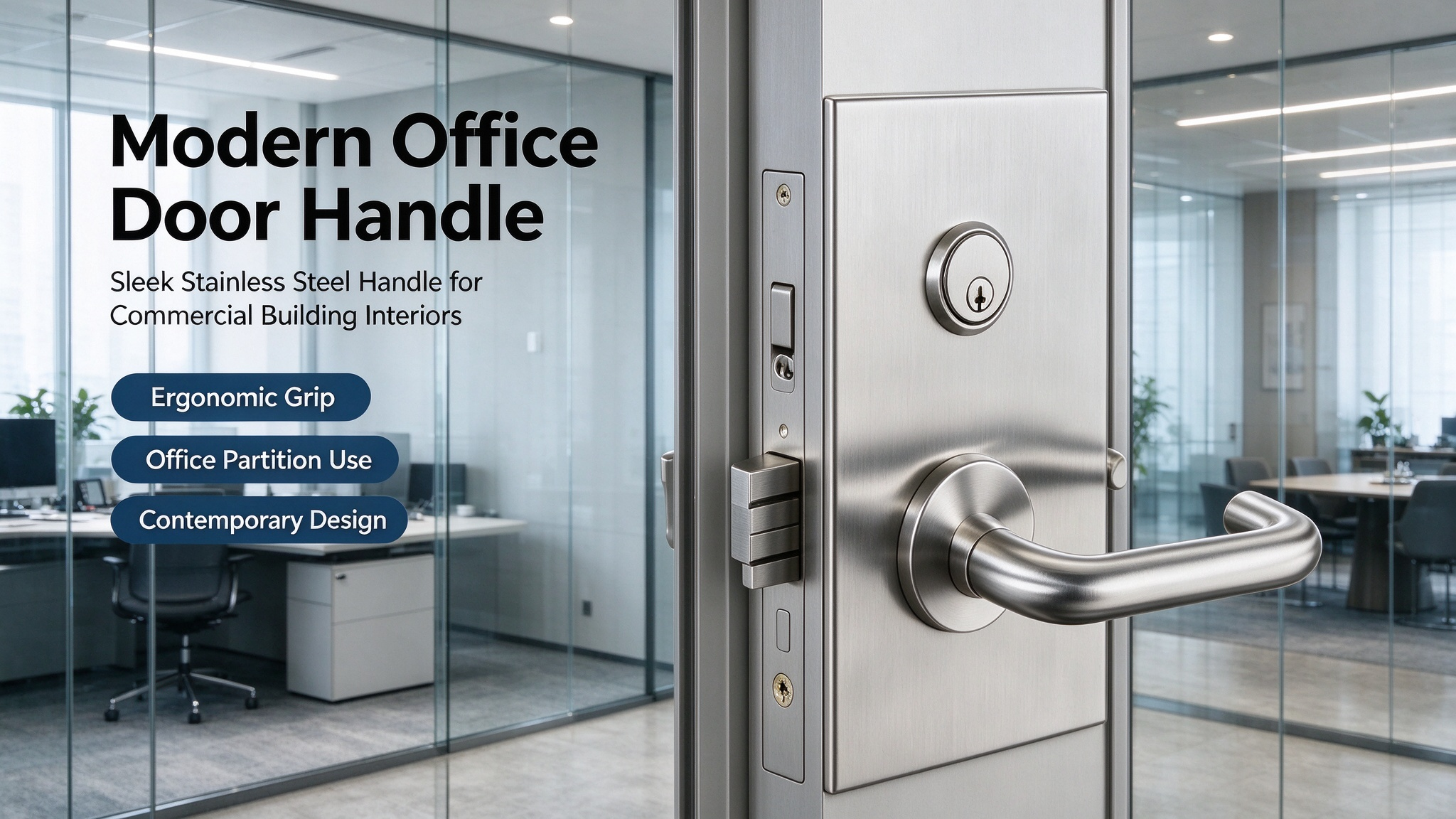
Meanwhile, a lever handle offers a different kind of convenience. Its horizontal design allows users to push down with an elbow, wrist, or even a closed fist, which makes it especially popular in healthcare facilities, accessible buildings, and kitchens where hands may be full or wet.


