


A sticking latch or a lock that won't catch can turn a simple slide into a daily frustration. Whether it's a loose handle, a misaligned strike plate, or hardware that's simply worn out, most sliding door issues can be traced back to a handful of common culprits. This guide walks through the most frequent problems homeowners run into, explains what's usually causing them, and shows you how to get your door locking smoothly again.
Sliding doors see a lot of use. Every time the panel glides open and shut, the rollers, tracks, and locking mechanism absorb a small amount of wear. Over months and years, that wear adds up. Screws loosen, alignment shifts, and dirt or debris builds up in places you can't easily see. The good news is that most of these issues don't require replacing the entire door. A bit of patience, the right tools, and some basic know-how are usually enough to get things working again.
Common Causes of a Sticking or Loose Lock
Before reaching for a screwdriver, it helps to understand what's actually going wrong. Below is a quick reference table outlining the most frequent causes of sliding door lock trouble, along with their typical symptoms and fixes.
Issue | Common Symptom | Typical Fix |
|---|---|---|
Misaligned strike plate | Latch doesn't catch or feels loose | Adjust or reposition the strike plate |
Dirt or debris in the mechanism | Lock feels stiff or sticky | Clean with compressed air and lubricate |
Worn or bent latch | Door won't lock fully | Replace the latch assembly |
Loose mounting screws | Handle wobbles or lock rattles | Tighten or replace screws |
Corroded internal components | Lock jams or won't turn | Lubricate or replace the lock body |
Frame settling or warping | Door doesn't align with frame | Re-shim the frame or adjust rollers |
Most of these fixes are straightforward, but a few require closer attention to the surrounding hardware, including the track and rollers that keep the panel moving smoothly.
Tackling a Sticking Latch at Home
When a sliding door lock repair is needed, the first step is always to diagnose the problem before touching any hardware. Start by opening and closing the door several times to see if the issue is mechanical (something physically blocking the latch) or structural (the frame has shifted and the strike plate no longer lines up). A flashlight and a Phillips-head screwdriver will handle most inspections.
If the latch looks dirty or gummed up, a can of compressed air followed by a dry silicone-based lubricant often solves the problem in minutes. Avoid oil-based lubricants, since they attract dust and can make the mechanism stickier over time. For doors where the strike plate has drifted out of alignment, loosening the mounting screws and shifting the plate by a few millimeters is often all it takes to restore a clean, solid catch.
Repairing Glass Sliding Door Locks
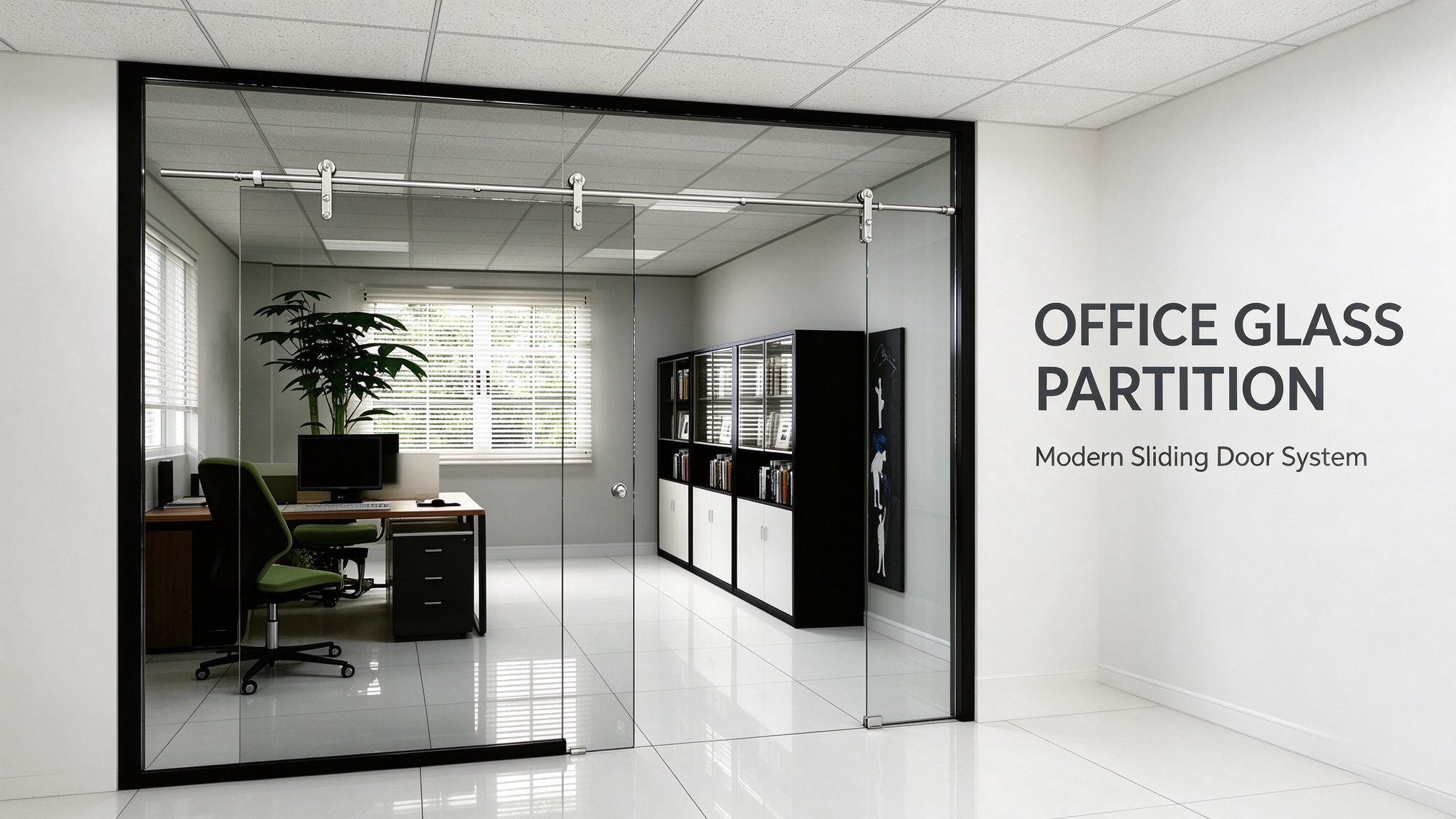
Glass doors introduce a few extra considerations because the lock hardware is typically mounted directly onto the glass panel rather than a wooden or aluminum frame. A sliding glass door lock repair usually starts with checking whether the lock housing itself is still securely fastened, since vibration and repeated use can gradually loosen the mounting hardware. If the housing has shifted even slightly, the latch may no longer meet the receiver cleanly.
It's also worth inspecting the condition of the latch bolt and receiver for signs of corrosion, especially in coastal or humid climates where moisture exposure is higher. Stainless steel components tend to hold up far better than standard zinc alloy parts in these conditions. If the existing lock body is worn beyond a simple cleaning and lubrication, replacing it with a compatible unit designed for glass panel thickness is usually the most reliable long-term solution.
Addressing Glass Sliding Fitting Issues
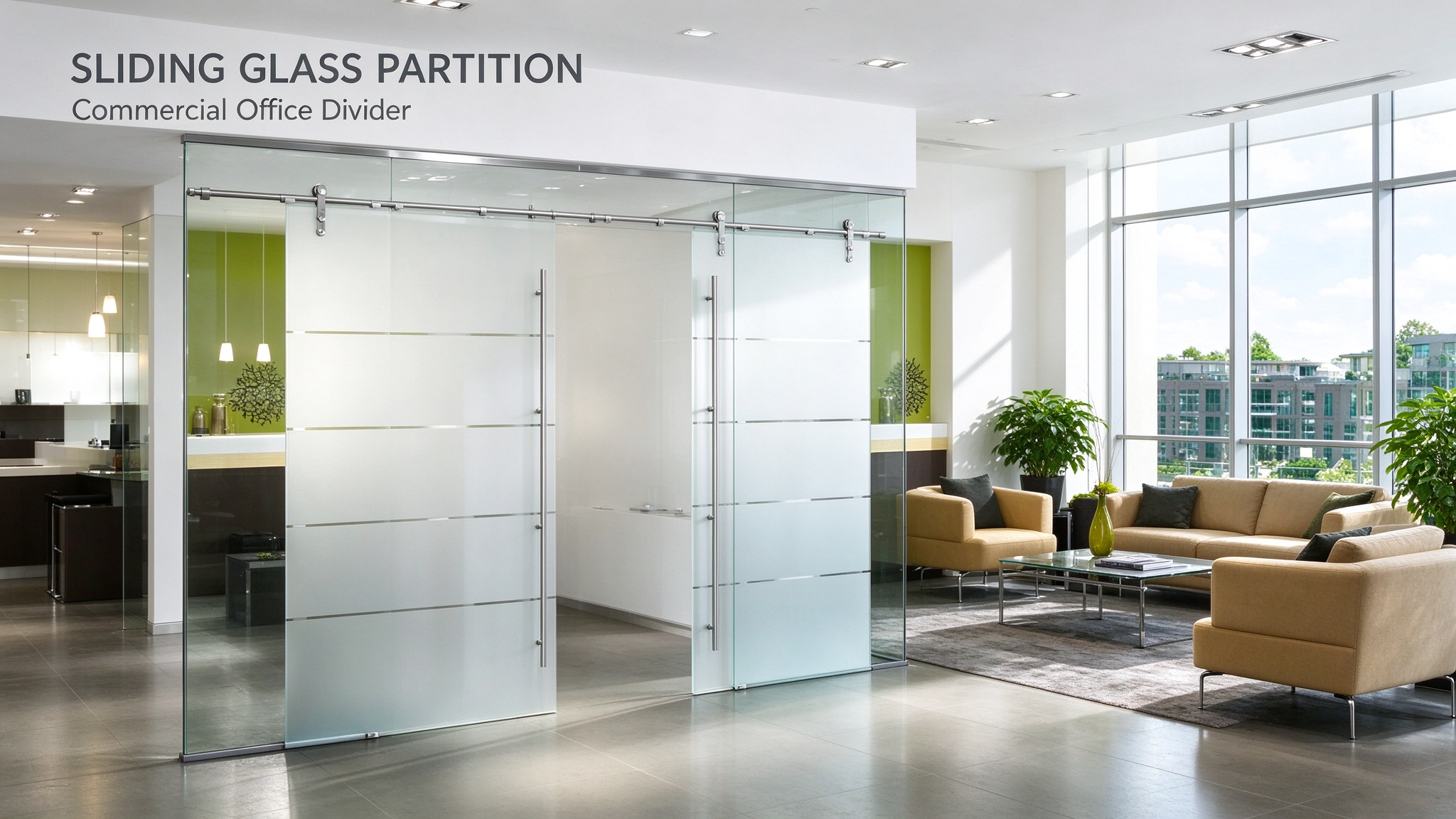
Beyond the lock itself, the broader hardware system plays a major role in how well a door performs. A glass sliding fitting that's been improperly installed, or has simply loosened with age, can throw off the alignment of the entire door, which in turn puts stress on the lock mechanism. Checking the rollers, track, and any patch fittings connecting the hardware to the glass is a useful step whenever lock problems persist after addressing the latch and strike plate.
Quality matters here. Hardware manufacturers such as Goldtech Hardware, which has specialized in architectural and glass door fittings for over a decade, produce components built specifically for the demands of sliding systems, including corrosion-resistant finishes and precise tolerances that reduce the kind of wear that leads to recurring lock issues. Choosing well-made replacement parts, rather than generic alternatives, tends to pay off in fewer repeat repairs down the line.
Frequently Asked Questions
How much does it typically cost to repair a sliding door lock?
Costs vary depending on whether the fix involves cleaning and adjustment or a full hardware replacement. Simple adjustments can often be done with tools already on hand, while replacement lock bodies and strike plates are widely available at hardware stores and typically install in under an hour.
How long does a typical repair take?
Most lock adjustments, including cleaning, lubrication, and strike plate alignment, can be completed in 30 minutes or less. Replacing an entire lock assembly may take closer to an hour, particularly on glass doors where the mounting process requires more care.
What are the risks of ignoring a loose or sticking lock?
A compromised lock affects home security, not just convenience. A latch that doesn't fully engage can leave a door appearing closed while remaining unlocked, and continued use of misaligned hardware can accelerate wear on the track and rollers.
Can these repairs be done without professional help?
Many common issues, such as dirt buildup, loose screws, and minor misalignment, are well within reach for most homeowners with basic tools. More involved jobs, like replacing an entire lock body on a heavy glass panel, may benefit from professional installation to ensure proper fit and long-term durability.
Are there alternatives to repairing the existing lock?
In some cases, upgrading to a newer lock design, such as one with a multi-point locking system, can offer better security and smoother operation than repairing an older, worn-out unit. This is worth considering if the existing hardware has required repeated repairs over a short period.
Keeping Your Sliding Door Running Smoothly
Regular maintenance goes a long way toward preventing lock problems before they start. A quick seasonal check of the track, rollers, and lock components, paired with light lubrication, can keep a sliding door operating smoothly for years. When problems do arise, most can be traced to one of the common issues outlined above, and resolved with a bit of patience and the right parts.
Quick answer:
Most sliding door lock issues come down to dirt buildup, loose screws, or a misaligned strike plate, and can usually be fixed at home with basic tools like a screwdriver and silicone lubricant. Glass-mounted locks require extra care around mounting hardware and corrosion resistance. Persistent problems often point to worn components that need replacing rather than adjusting, and choosing well-made hardware reduces the chance of repeat issues.


