Everyone experiences that sinking feeling of a locked door standing between them and their destination. You step outside for just a second, the wind catches the frame, and suddenly you are completely shut out. Finding yourself on the wrong side of a locked door handle can cause immediate panic, especially if you are in a rush or the weather is unforgiving.
Understanding the mechanics of your hardware can turn a stressful lockout into a brief inconvenience. Most interior and exterior locks operate on simple pin-and-tumbler or spring-latch mechanisms. By learning a few fundamental techniques, you can safely regain access to your room or building without causing expensive damage to your property.
This comprehensive guide provides practical strategies to help you navigate different types of locks. You will learn safe entry methods, understand when specific tools are necessary, and discover how investing in high-quality hardware can prevent future emergencies from occurring in the first place.
Identify Your Locking Mechanism
Before attempting any entry method, you must identify the type of hardware installed on your frame. The approach you take depends entirely on the design of the lock. Standard privacy locks, often found on bedroom or bathroom doors, feature a simple push-button or turn-tab mechanism on the inside and a small pinhole on the outside. These are generally designed for privacy rather than heavy security and are relatively easy to bypass.
Conversely, heavy-duty commercial entrances often utilize more complex systems. For instance, a locking pull handle requires specialized keys and operates with a much thicker latch or deadbolt. These commercial-grade fixtures secure glass storefronts and office entryways, making them highly resistant to basic bypass techniques.
Simple Techniques for Standard Privacy Locks
If you are dealing with an interior privacy lock, you likely have the tools you need lying around the house. These methods work best on standard spring-latch mechanisms.
The Pinhole Push Method
Many interior door handles feature a tiny hole on the exterior knob or lever. This design intentionally allows for emergency access. Find a small, rigid object like a straightened paperclip, a bobby pin, or a tiny flathead screwdriver. Insert your tool straight into the hole and apply gentle pressure. You will feel a small button or switch catch against the tool. Push firmly, and the lock will disengage with a noticeable click.
The Flexible Card Technique
The card technique is a classic method for opening simple spring latches. You need a flexible piece of plastic, such as an old loyalty card or a sturdy piece of packaging material. Slide the plastic into the vertical gap between the door and the frame, positioned slightly above the latch. Angle the card downward and push it firmly against the slanted side of the latch. Wiggle the handle simultaneously. The pressure from the card forces the latch to retract, allowing the door to swing open.
Addressing a Lockable Pull Handle
Commercial spaces and modern glass doors frequently use a lockable pull handle to maintain a sleek aesthetic while providing robust security. Because the locking cylinder is integrated directly into the metal tubing of the handle, bypassing it without a key is incredibly difficult.
If you lose the key to a lockable pull handle, forced entry attempts will likely result in shattered glass or permanently damaged hardware. In these situations, your best option is to contact a professional commercial locksmith. They carry specialized lock-picking tools designed to manipulate the internal pins of the cylinder without damaging the surrounding architectural fixtures.
Sometimes, an old or malfunctioning locking pull handle simply seizes up due to internal rust or mechanical failure. If the lock cannot be repaired, you will need to replace the entire fixture. Sourcing high-quality replacement parts ensures your building remains secure and visually appealing.
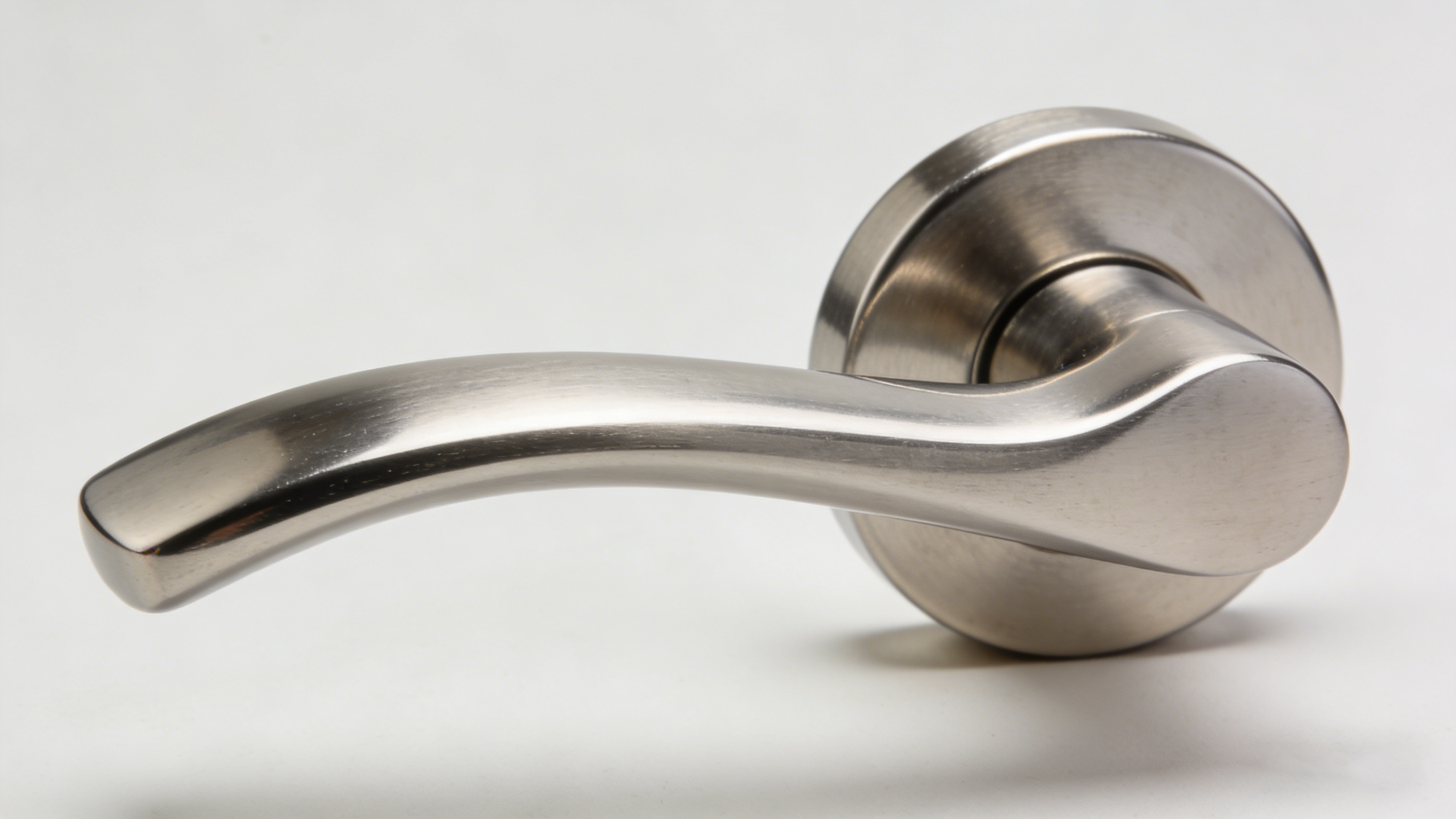
Upgrading Your Architectural Hardware
Repeated lockouts or malfunctioning mechanisms usually indicate that your hardware is reaching the end of its lifespan. When it comes time to replace your fixtures, choosing durable, precisely engineered products saves you money and frustration in the long run.
Goldtech Hardware Corporation Limited stands out as a reliable manufacturer of premium architectural fixtures. Established in 2011, their factory produces everything from heavy-duty commercial levers to elegant shower hinges and glass door locks. If your commercial entryway requires a new lockable pull handle, Goldtech provides industry-leading manufacturing facilities compliant with the latest ISO quality standards. Upgrading to their stainless steel fittings guarantees smooth operation and long-lasting security for your property.
Frequently Asked Questions (FAQ)
Can I use a credit card on a deadbolt?
No. The card technique only works on angled spring latches. Deadbolts have a flat, solid metal profile that cannot be pushed back with a flexible piece of plastic. You must use a key, pick the lock, or call a professional to open a deadbolt.
Why does my door handle keep locking on its own?
Handles usually lock accidentally when the internal spring mechanism wears out or becomes misaligned. Tightening the mounting screws might fix the issue temporarily. However, persistent problems mean you should replace the entire door handle to prevent future lockouts.
What should I do if my key breaks inside the cylinder?
Stop trying to turn the lock immediately. Pushing the broken key further into the cylinder makes it much harder to extract. Use a pair of needle-nose pliers to gently pull the fragment out if it is visible. Otherwise, a locksmith has special extraction tools to remove the broken metal safely.
Secure Your Space with Reliable Solutions
Handling a lockout calmly requires a basic understanding of your door's mechanics. Simple privacy locks often surrender to common household items, while commercial-grade fixtures demand professional attention. Always prioritize safety and avoid using excessive force that could damage your property.
Take a moment today to inspect the locks around your home or office. If you notice any sticking mechanisms, loose handles, or heavy wear and tear, consider replacing them before an emergency happens. Reach out to trusted suppliers like Goldtech Hardware to explore high-quality replacement options that offer true peace of mind.
lockable pull handle
locking pull handle
door handle


