Replacing old, worn-out hardware is one of the easiest ways to instantly refresh a room's appearance. Many homeowners feel intimidated by do-it-yourself projects, assuming they lack the technical skills to succeed. However, swapping out basic fixtures requires minimal effort and only a few basic tools. You do not need to hire a professional carpenter to handle this minor upgrade.
Understanding how these mechanisms work gives you the confidence to tackle small home improvements. You might be upgrading to a modern lever, fixing a stubborn latch, or simply changing the metal finish to match your new decor. Either way, learning how to remove the existing knob is the first hurdle you must clear. Once you understand the hidden fasteners, the entire mechanism makes perfect sense.
We will walk you through the entire removal process from start to finish. You will learn the exact tools required, how to identify hidden screws, and ways to handle tricky architectural variations. By the end of this comprehensive guide, you will possess the practical skills needed to take off a door handle, navigate a locking pull handle, and confidently prepare to install pocket door handle systems.
Tools required for the removal process
You do not need a massive, expensive toolkit to complete this task. Most of the necessary items already sit inside your kitchen junk drawer or a basic home tool kit. Gathering your supplies beforehand prevents frustrating interruptions once you begin the removal.
Tool | Primary Purpose |
Phillips-head screwdriver | Removing standard exposed mounting screws |
Flathead screwdriver | Prying off decorative faceplates or pushing release tabs |
Allen wrench (hex key) | Loosening tiny set screws located on modern levers |
Paperclip or push pin | Triggering hidden spring-loaded release mechanisms |
Flashlight | Illuminating dark boreholes and tiny slots |
Identifying your specific door hardware
Before grabbing a screwdriver, take a moment to look closely at the fixture. Hardware falls into a few distinct categories based on how the manufacturer designed the mounting system. Recognizing your specific model dictates your approach.
Exposed screws represent the most straightforward design. You will clearly see two screw heads resting on the interior round plate of the door.
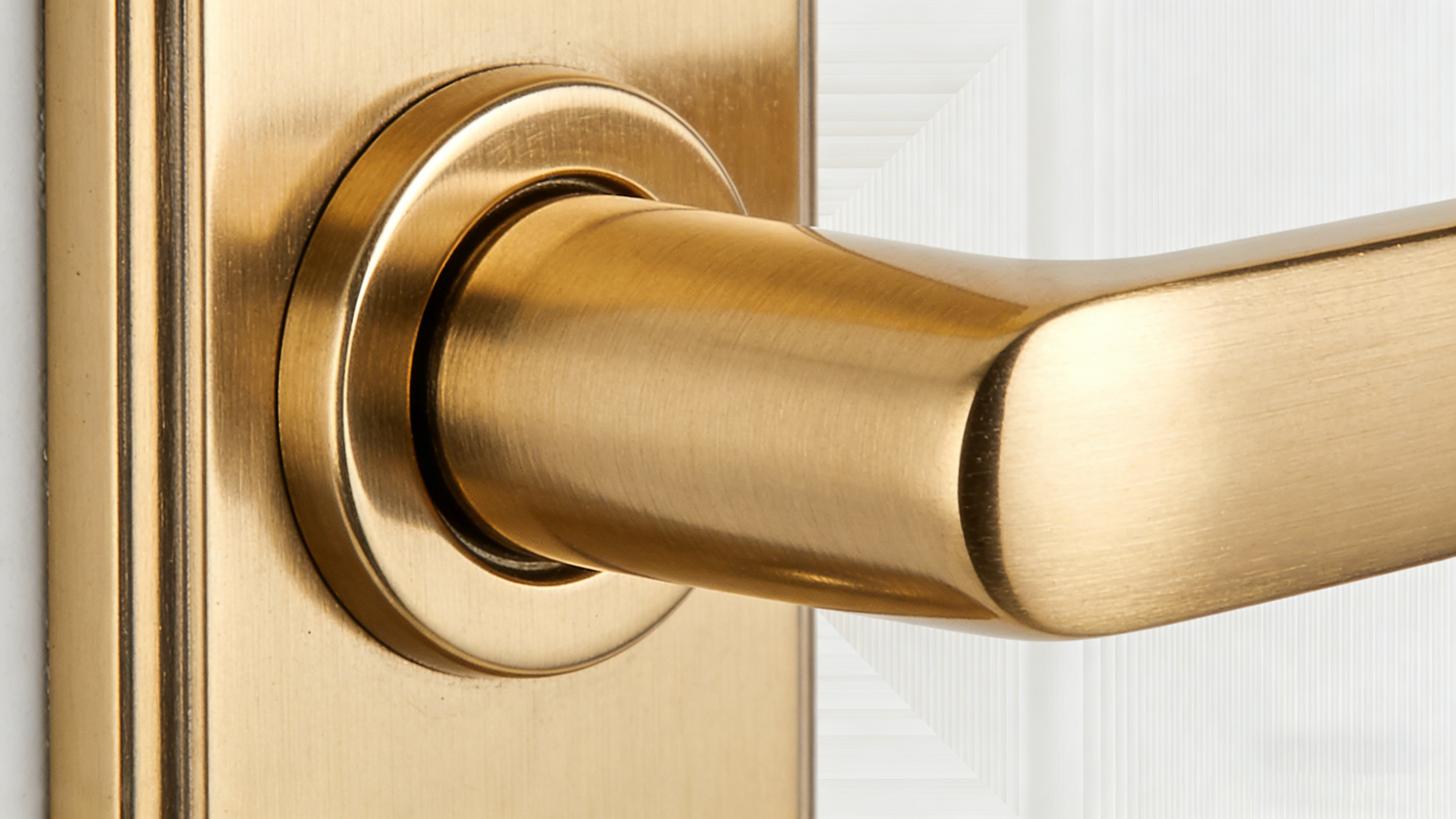
Hidden screws feature a decorative metal cover plate, often called a rose. This plate snaps over the mounting hardware to provide a seamless, clean visual aesthetic. These require an extra step to bypass the decorative cover before you can access the actual structural screws.
Step-by-step guide to removing the knob
Once you have identified the type of hardware on your door, you can begin the dismantling process. Follow these sequential steps to ensure you do not damage the wood surface in the process.
Step 1: Examine the interior side
Always start your work from the interior side of the room. Most interior privacy locks and passage knobs keep their mounting fasteners on the inside face. This design choice prevents people from dismantling the lock from the outside. Locate the side of the door that faces the inside of the bedroom or bathroom.
Step 2: Remove the visible screws or trigger the release tab
If you see standard screws, simply unthread them counterclockwise until they fall out. If the backplate is completely solid, look closely at the narrow shaft connecting the knob to the door. You should spot a tiny slot or a small circular hole. Insert your straightened paperclip or the tip of your flathead screwdriver into this slot. Press inward while simultaneously pulling the knob toward your body. The handle should slide completely off the spindle.
Step 3: Pry off the decorative faceplate
After the handle slides off, a round metal plate will remain tightly against the wood. Look along the outer edge of this circular plate for a tiny notch. Carefully wedge the blade of your flathead screwdriver into this notch. Gently twist the screwdriver handle to pop the cover plate off. This action reveals the heavy-duty mounting ring and the primary screws underneath.
Step 4: Unscrew the mounting plate
With the cover out of the way, you can now access the long structural screws holding the inner and outer chassis together. Unthread these completely. Once they are removed, you can carefully pull the remaining handle half away from the opposite side of the door. The main bore hole through the wood should now be empty.
Step 5: Extract the latch assembly
Look at the thin vertical edge of the door. Two small screws secure the latch plate directly to the wood. Take these out using your Phillips-head screwdriver. Finally, grab the latch mechanism and pull it straight out of the horizontal hole. Your door is now completely bare and ready for new hardware.
Special considerations for other door hardware
Sometimes you encounter hardware that deviates completely from the standard residential round knob. Commercial spaces, heavy entryways, and space-saving sliders utilize totally different structural designs.
Working with a locking pull handle
A locking pull handle frequently appears on glass entryways, heavy commercial doors, or modern residential front doors. These robust handles usually do not feature standard faceplates. Instead, they rely on small set screws located at the top and bottom mounting points on the interior side. Use an appropriately sized Allen wrench to back these set screws out. Once loosened, the entire long handle assembly will detach from the threaded mounting posts anchored through the door.
Preparing to install pocket door handle systems
Pocket doors slide horizontally into a hidden wall cavity, meaning their hardware must sit completely flush against the surface. To remove an old pocket door latch, locate the mounting screws situated on the thin edge of the door. Removing these fasteners allows you to slide the recessed metal pulls out of the notched wood. If you plan to install pocket door handle replacements, you must ensure the new unit matches the exact physical dimensions of the existing cutout. Otherwise, the door will scrape against the doorframe as it slides into the wall.
Frequently Asked Questions
How do I remove a knob that has no visible screws or release tabs?
Check the very bottom of the shaft near the door surface. Sometimes manufacturers place a microscopic Allen set screw underneath where it is incredibly difficult to see without crouching down. Use a flashlight to inspect the bottom edge of the lever or knob for a small hexagonal hole.
Can I reuse the old latch with a new door handle?
It is generally best practice to replace the entire assembly at the same time. Mixing old latch mechanisms with new internal spindles can lead to sticking gears or a door that fails to latch securely. The new hardware kit includes a matching latch tailored specifically for its internal turning radius.
What should I do if the screws are completely stripped?
You can place a wide rubber band flat over the stripped screw head to give your screwdriver more grip. Press firmly into the rubber band and turn slowly. If that fails, you might need to purchase a specialized screw extractor bit from a local hardware store to back the damaged fastener out safely.
Select premium replacements for your home
Now that you know exactly how to dismantle the old, outdated mechanisms, you need high-quality replacements to finish the job. Upgrading your fixtures enhances both domestic security and architectural aesthetics. You want hardware manufactured to rigorous standards so it can withstand years of daily use.
Goldtech Hardware Corporation Limited stands out as a professional leader in the global hardware industry. Established in 2011, Goldtech utilizes over ten years of dedicated experience to manufacture premium architectural hardware, including heavy-duty shower hinges, sleek pull handles, towel bars, and sophisticated glass door locks. Their industry-leading manufacturing facilities operate in strict compliance with the latest ISO quality and environmental standards.
Goldtech manages an integrated supply chain that spans from raw material sourcing directly to ready-to-install products. This ensures customers receive durable components delivered with ultimate efficiency and transparency. Whether you are outfitting a massive commercial space or simply upgrading the fixtures in a residential bathroom, their extensive product catalog provides reliable solutions. Welcome to contact Goldtech Hardware to explore their offerings and secure the perfect finishing touches for your next architectural project.


