Removing a door handle sounds straightforward—until you're standing in front of the door with a screwdriver, wondering why nothing budges. Whether you're replacing a worn-out furniture door handle, upgrading to a sleek new mortise door handle, or simply doing some home maintenance, knowing the right technique saves time and prevents damage.
This guide walks you through everything you need to know: the tools required, the different handle types you might encounter, and a clear step-by-step process for removing each one safely.
What You'll Need Before You Start
Gather your tools before you begin. Having everything on hand makes the job much smoother.
Phillips head screwdriver
Flathead screwdriver
Allen wrench (hex key) set
Needle-nose pliers
A flashlight (optional, but useful for spotting hidden screws)
Most door handle removals don't require power tools. A basic hand toolkit is all it takes.
Identifying Your Door Handle Type
Not all door handles are built the same. The removal process varies depending on the type of handle installed. Here are the three most common types:
Standard Lever or Knob Handle
These are the most common handles found in residential homes. They typically attach to a spindle that passes through the door and are secured with visible or hidden screws.
Mortise Door Handle
A mortise door handle is part of a more complex lock system. It sits within a recessed pocket (the mortise) cut into the door's edge. These handles are common in commercial buildings and older homes, and they require a slightly more involved removal process. The handle itself is secured to a lock body installed inside the door.
Furniture Door Handle
A furniture door handle—used on cabinets, drawers, and wardrobes—is the simplest to remove. These are typically held in place by one or two bolts that pass through the furniture panel and fasten from the inside.
How to Remove a Standard Door Handle
Step 1: Check for Visible Screws
Look at the base plate (also called the rose or escutcheon) around the handle. If you see screws, simply unscrew them with your Phillips head screwdriver and pull the handle away from the door.
Step 2: Look for a Hidden Set Screw
Many lever handles hide a small set screw on the underside of the handle itself. Run your finger along the bottom of the lever. If you find a small hole, insert an Allen wrench, turn counterclockwise, and loosen the handle before pulling it off.
Step 3: Remove the Base Plate
Once the handle is off, the base plate may still be attached. Some plates twist off; others have hidden clips. Use a flathead screwdriver to gently pry around the edges until it releases. Be careful not to scratch the door's surface.
Step 4: Remove the Latch Mechanism
With the handle and plate removed, you'll see screws securing the latch plate on the door's edge. Unscrew these, then slide the latch body out from the hole in the door.
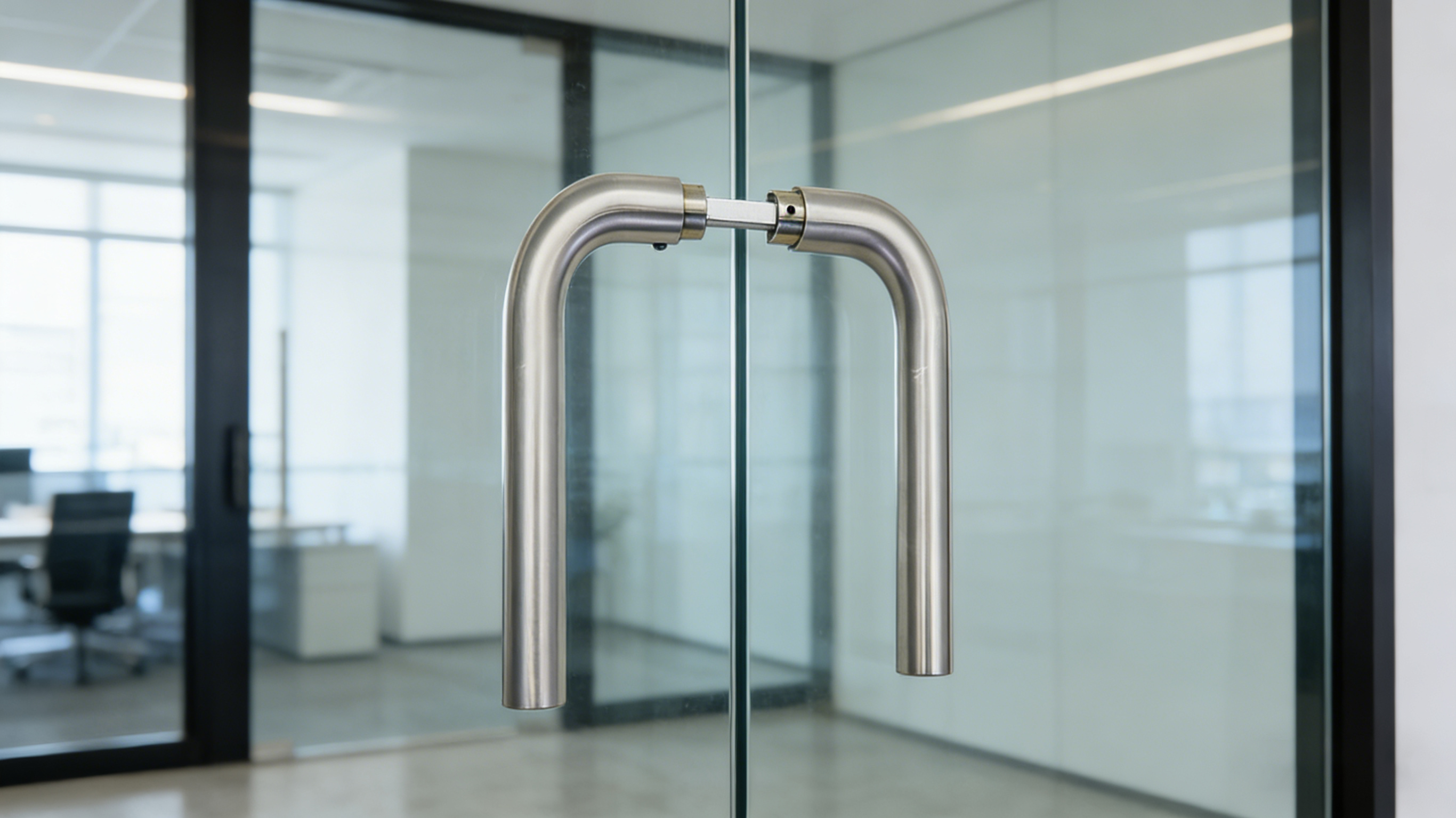
How to Remove a Mortise Door Handle
Removing a mortise door handle takes a few more steps, but it's still a manageable DIY task.
Step 1: Unscrew the Handle
Look for a set screw on the side or base of the handle. Loosen it with an Allen wrench. Once loose, slide the handle off the spindle.
Step 2: Remove the Spindle
With both handles removed from each side, the spindle (the metal bar connecting them) should slide out freely. Pull it out and set it aside.
Step 3: Remove the Face Plate
On the edge of the door, you'll see a rectangular face plate covering the mortise lock body. Unscrew the screws holding it in place.
Step 4: Extract the Mortise Lock Body
This is the trickiest part. The lock body sits inside a deep rectangular pocket in the door. Use a flathead screwdriver to gently pry it out, or grip it with needle-nose pliers and pull firmly. It may be snug, so apply steady pressure rather than yanking it.
Step 5: Remove the Strike Plate
Finally, unscrew the strike plate from the door frame. This is the metal plate the latch or bolt engages with when the door closes.
How to Remove a Furniture Door Handle
Removing a furniture door handle from a cabinet or drawer is the quickest job of the three.
Step 1: Open the Drawer or Cabinet Door
You need access to the inside panel where the bolt or screw is fastened.
Step 2: Locate the Fixing Bolt
Look for a nut or bolt on the inside surface of the panel, directly behind the handle. It may be recessed into the material.
Step 3: Unscrew and Remove
Hold the handle steady from the outside while you unscrew the bolt from the inside using a screwdriver or wrench. Once the fastener is removed, the handle will pull free from the front.
For handles secured with a single central screw (common on bar-style handles), simply unscrew from the outside.
Common Issues and How to Fix Them
The handle won't budge after removing screws. Over time, paint, rust, or adhesive can cause handles to bond with the door surface. Apply a small amount of penetrating oil around the base, wait a few minutes, then try again.
I can't find any screws. Some handles use a snap-fit rose cover that conceals the fixings. Slide a thin flathead screwdriver into the seam between the rose and the door and gently twist to pop the cover off.
The latch is stuck inside the door. This often happens with older mortise locks. Try spraying a lubricant like WD-40 into the face plate opening, then wiggle the latch body back and forth while pulling.
The spindle is stripped or corroded. Use needle-nose pliers to grip and rotate the spindle out. If it's severely corroded, a hacksaw may be needed to cut it before replacing the hardware.
Choosing a Replacement Door Handle
Once the old handle is out, choosing the right replacement comes down to three factors: compatibility, aesthetics, and quality.
For standard residential doors, measure the backset (the distance from the edge of the door to the center of the handle hole) before purchasing a replacement. Standard backsets are 60mm or 70mm, but this varies.
For mortise applications, verify the dimensions of the lock body pocket before ordering a new mortise handle and lock set—not all mortise locks are universal.
For furniture and cabinet handles, check the hole spacing (the distance between fixing holes) to ensure your new handle fits without drilling additional holes.
Quality matters too. Hardware made from stainless steel or solid brass lasts significantly longer than zinc alloy alternatives, particularly in high-traffic areas or humid environments like bathrooms and kitchens.
The Right Hardware Makes All the Difference
Removing a door handle is a skill that pays off every time you renovate, redecorate, or repair. With the right tools and a clear process, it's a task most homeowners can complete in under 30 minutes.
If you're looking for high-quality replacement hardware—whether that's a mortise door handle, furniture door handle, or a full door handle set—Goldtech Hardware offers a wide range of architectural hardware solutions built to industry standards. Explore their product range at goldtechhardware.com to find the right fit for your next project.
Door Handle
Mortise Door Handle
Furniture Door Handle


