Glass doors bring an undeniable elegance to any building. They allow natural light to flood interior spaces, create an open atmosphere, and add a modern touch to both residential and commercial properties. However, the transparency that makes them so visually appealing often raises concerns about security. Property owners frequently wonder how to secure a barrier that appears so fragile compared to a solid wood or steel door.
The reality is that glass door security has evolved significantly. You no longer have to choose between a sleek aesthetic and robust protection. Specialized hardware is designed specifically to grip, slide, or bolt onto glass panels without shattering them. From sophisticated digital systems to sturdy mechanical bolts, the market offers a wide array of solutions tailored to different types of glass entryways.
Finding the right locking mechanism involves understanding the specific requirements of your door. Is it a sliding patio door, a swinging office entrance, or a heavy-duty commercial storefront? Each requires a unique approach to ensure safety and functionality. This guide explores the most effective lock options available, helping you make an informed decision that secures your property while maintaining that polished, transparent look.
The Challenge of Securing Glass
Standard locks designed for wooden or metal doors usually rely on a mortise cut into the door's edge or a bore hole through its face. While tempered glass is incredibly strong, drilling or cutting into it requires precision manufacturing techniques—usually done before the glass is tempered. Once the glass is treated, you cannot alter it.
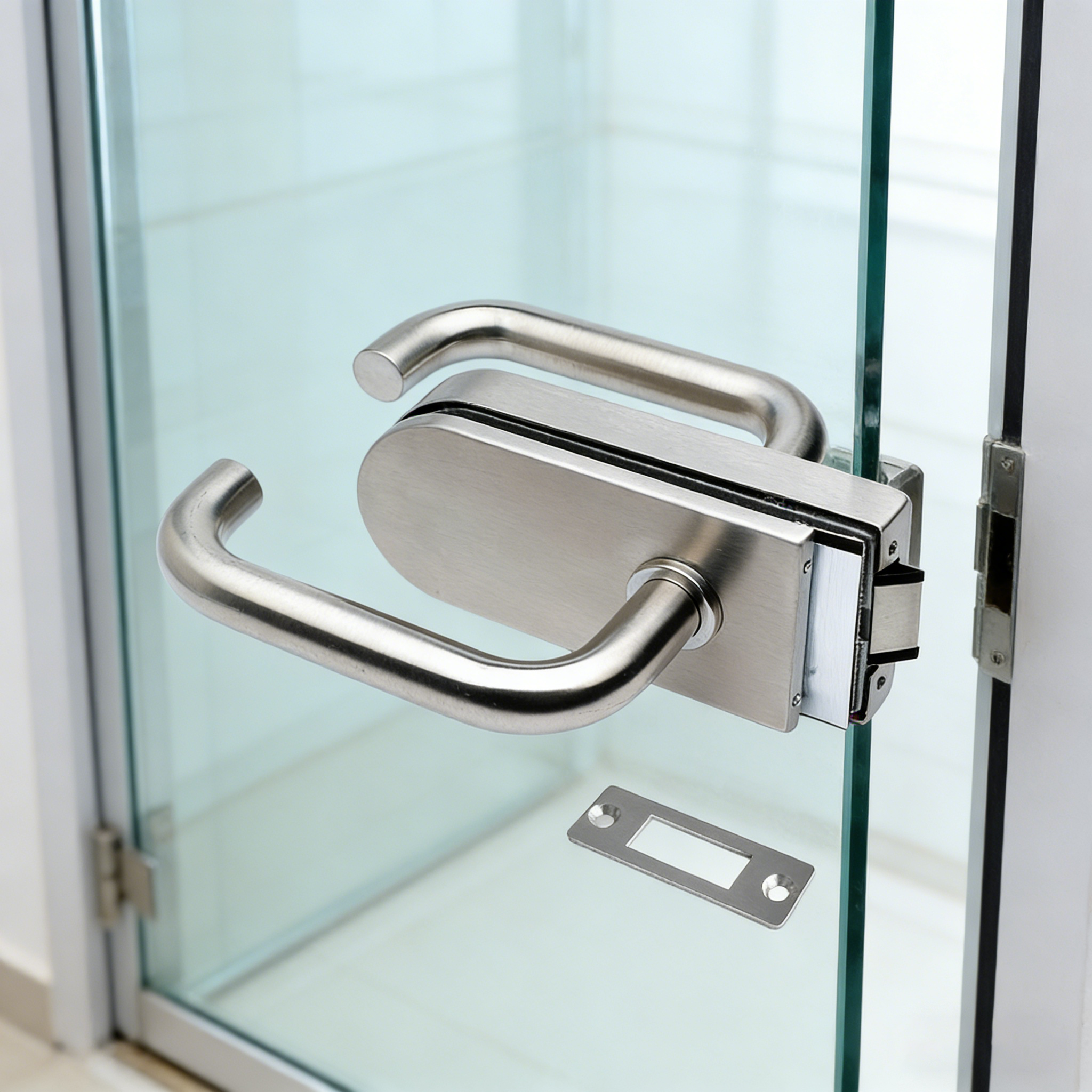
This limitation means that the hardware must either be planned for during the manufacturing stage or clamped onto the glass surface. Furthermore, the lock must account for the narrow profile of the glass. A standard deadbolt simply won’t fit inside a half-inch thick glass panel. This is where specialized hardware, such as a frameless glass door lock, becomes essential. These locks are engineered to sandwich the glass or fit into pre-drilled holes, providing a secure latching point without compromising structural integrity.
Popular Lock Options for Swinging Glass Doors
Swinging doors are common in offices and retail fronts. Because they operate on hinges or pivots, they require locks that can secure the swinging edge to the frame, the floor, or the adjacent glass panel.
Locking Pull Handles (Ladder Pulls)
One of the most efficient ways to secure a commercial glass door is by integrating the lock directly into the handle. Locking ladder pulls, often made from high-quality stainless steel, run the length of the door or a significant portion of it. These are a staple in the Goldtech Hardware catalog because of their dual functionality.
Inside the long vertical tube, a concealed locking mechanism operates a bolt that shoots down into the floor or up into the header. This design keeps the lock mechanism hidden, maintaining a clean look. It is an excellent lock for glass door applications where aesthetics are paramount, such as high-end retail stores or corporate lobbies.
Patch Locks
Patch fittings are the metal plates found at the corners of frameless glass doors. A patch lock is essentially a patch fitting with a built-in locking mechanism. These are typically installed at the bottom of the door. When locked, a bolt extends from the patch into a dust-proof socket installed in the floor.
Because they are located at the very bottom of the door, they are unobtrusive. However, they can be slightly less convenient to operate since you have to reach down to the floor level to lock or unlock them.
Center Locks and Keepers
For double glass doors that meet in the middle without a vertical frame (mullion), a center lock is ideal. This lock is mounted on one door, and a "keeper" or strike box is mounted on the other. When you turn the key or thumb turn, the bolt extends from the lock body into the keeper, securing the two doors together.
These locks are highly visible, which can act as a visual deterrent to potential intruders. They are available in various finishes, such as brushed stainless steel or matte black, to match other architectural hardware.
Solutions for Sliding Glass Doors
Sliding glass doors, often found in patios or display cases, operate on a track. The locking mechanics here must prevent the door from sliding horizontally or being lifted out of its track.
Plunger Locks
Plunger locks are a favorite for sliding glass display cabinets and retail showcases. The mechanism uses a spring-loaded metal plunger. You simply push the cylinder in to lock it—the plunger extends into a hole in the sliding track or the adjacent glass panel, preventing movement. To unlock, you use a key, which pops the plunger back out. These are compact and effective for internal security needs.
Ratchet Locks
Ratchet locks are adjustable and easy to install because they usually don't require drilling holes in the glass. The lock housing slides along a serrated bar (the ratchet) clamped to the edge of the glass door. Once positioned tightly against the overlapping door or frame, the lock housing is secured, physically blocking the door from sliding open. This is an excellent retrofit solution for frameless glass cabinets.
Frameless vs. Framed: Choosing the Right Hardware
The presence or absence of a frame dictates which locks you can use. Framed glass doors usually have aluminum or steel borders that can accommodate more traditional style locks, such as mortise locks or latch bolts. Frameless glass door locks, on the other hand, rely on friction clamping or specific cutouts.
Here is a comparison of how lock selection changes based on the door style:
Feature | Frameless Glass Doors | Framed Glass Doors |
Installation Method | Clamps onto glass edge or requires pre-drilled holes/cutouts. | Screws into the metal/wood frame structure. |
Lock Types | Patch locks, floor locks, locking pull handles, magnetic locks. | Mortise locks, deadlatches, hook bolts, keyed knobs. |
Aesthetics | Minimalist; hardware appears to "float" on the glass. | Traditional; hardware is integrated into the visible border. |
Flexibility | Difficult to change hardware later if glass cutouts are required. | Easier to swap out locks if standard dimensions are used. |
Electronic and Smart Locks for Glass
Modern businesses are moving away from physical keys in favor of access control systems. Glass doors are not excluded from this technological upgrade.
Electromagnetic Locks (Maglocks)
Maglocks consist of an electromagnet mounted on the door frame and an armature plate mounted on the door. When the power is on, the magnet holds the door shut with tremendous force. For glass doors, specialized brackets (U-brackets) are used to mount the armature plate onto the glass without drilling.
Maglocks are excellent for high-traffic areas because they have no moving parts to wear out. However, they generally require a constant power source to remain locked (fail-safe), meaning they unlock if the power goes out unless backed up by a battery.
Digital Glass Door Locks
These are battery-operated units designed specifically for glass. They often feature a keypad, RFID card reader, or fingerprint scanner. Many models are "clip-on" types that require no drilling, making them perfect for retrofitting existing frameless glass door locks. They provide convenience and audit trails, allowing business owners to track who enters and exits.
Factors to Consider Before Buying
Selecting the right hardware goes beyond just picking a style. You must ensure compatibility with your specific door setup.
Glass Thickness
Most commercial glass doors use 10mm (3/8") or 12mm (1/2") tempered glass. Ensure the lock you choose is rated for your specific glass thickness. If the lock is too loose, it won't secure the door; if it's too tight, it could stress the glass and cause shattering.
Access Needs
Consider how the door is used. Is it a main entrance that needs to be unlocked all day and locked at night? A locking pull handle or a deadbolt is great for this. Is it an internal office that needs to be accessible only to staff? A digital keypad lock might be better to avoid managing physical keys.
Material Durability
External doors face rain, dust, and temperature changes. High-grade stainless steel (like Grade 304 or 316) is recommended for exterior applications to prevent rust and corrosion. Goldtech Hardware specializes in these durable materials, ensuring that the lock performs smoothly for years.
Securing Your Transparent Entryways
The beauty of a glass door lies in its openness, but that should never come at the cost of vulnerability. Whether you need a heavy-duty lock for glass door storefronts or a sleek ratchet lock for a display case, the options are plentiful.
By understanding the difference between framed and frameless applications and considering modern innovations like locking ladder pulls and digital access, you can find the perfect balance. Security is an investment in peace of mind. Choosing high-quality, reliable hardware ensures that your glass doors remain a welcoming entry for guests and a formidable barrier against intruders.
For those looking to upgrade their architectural hardware or find specific solutions like mortar locks, trim sets, or specialized hinges, exploring a dedicated manufacturer’s catalog is the best next step.
frameless glass door locks
frameless glass door lock
lock for glass door


