Have you ever looked at your patio door and wondered, "How does a sliding glass door lock actually keep my home safe?" It’s a valid question. Unlike traditional hinged doors with deadbolts that extend deep into a wooden frame, sliding doors operate on a different mechanism entirely. They rely on latching systems that hook onto the frame or strike plate, securing the door against lateral movement.
Understanding these mechanics is about more than just satisfying curiosity—it’s about home security. A sliding glass door is often considered the weakest entry point in a home, not just because of the glass, but because homeowners often misunderstand how the locking mechanism functions. By learning how these locks operate, you can identify potential vulnerabilities, maintain your hardware better, and choose the right upgrades to keep your family safe.
In this guide, we will break down the mechanics of sliding glass door locks, explore the different types available, and offer troubleshooting tips for when things go wrong.
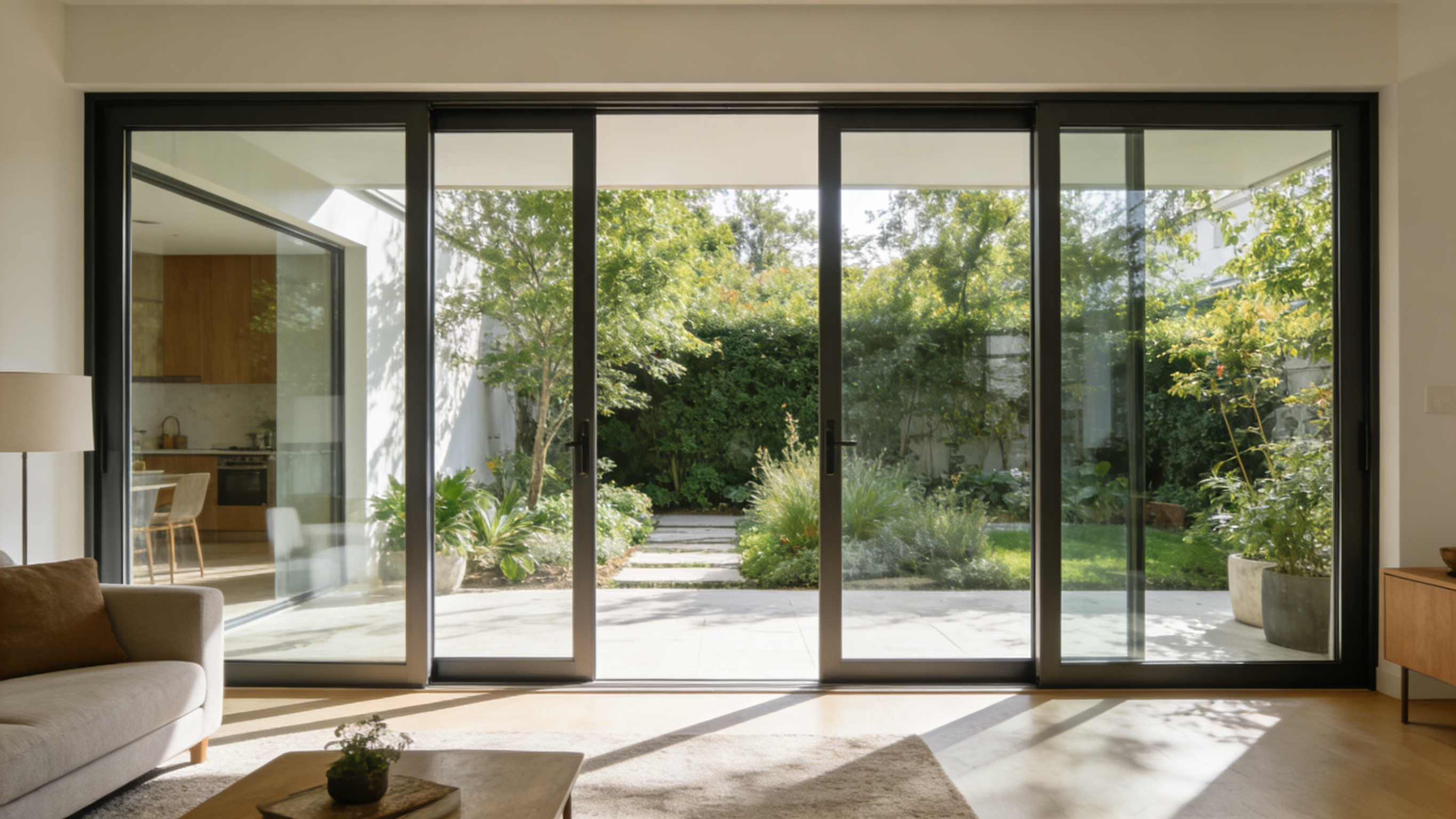
How do sliding glass door locks function?
Sliding glass door locks operate primarily on a hook-and-latch system. Unlike a standard deadbolt that moves straight in and out, a sliding door lock typically involves a hook (often called a "beak") that rotates or extends from the door handle assembly into a catch (the "keeper" or "strike") mounted on the door jamb.
When you turn the latch or thumb turn on the handle:
Engagement: The internal mechanism rotates the hook.
Latching: The hook extends out and grabs onto the keeper plate on the door frame.
Securing: The hook pulls the door tight against the frame, preventing the door from sliding open.
Because sliding doors move horizontally on a track rather than swinging open, the lock must resist lateral force. If the lock is misaligned or the hook doesn't fully engage with the keeper, the door can simply be lifted or forced open. This makes the alignment of the door on its rollers just as critical as the lock itself.
What are the different types of sliding door locks?
Not all sliding doors use the same locking mechanism. Depending on the age of your door, the manufacturer, and your security needs, you might encounter several different types.
Mortise Locks
This is the most common type found on modern patio doors. The entire lock body is housed inside a pocket (mortise) cut into the door frame. These are generally the strongest standard option because the mechanism is protected inside the door stile. They use a hook latch that pivots up or down to secure the door.
Surface-Mounted Locks
As the name suggests, these locks are mounted on the surface of the door frame rather than inside it. They are often used as secondary security measures or on older doors where a mortise cut isn't possible. They usually feature a bolt that slides down into the frame or a bar that swings over to block movement.
Keyed Locks vs. Thumb Turns
Most standard sliding doors have a thumb turn on the interior side for easy locking. However, for added security—or for doors that serve as a main entry point—keyed cylinders are used. These allow the door to be locked and unlocked from the exterior, functioning similarly to a front door lock but adapted for the sliding mechanism.
Comparison of Sliding Door Lock Features
To help you understand the differences, here is a quick comparison of the most common locking mechanisms:
Feature | Mortise Lock | Surface-Mounted Lock | Foot/Botttom Bolt |
Installation | Inside the door panel (Flush) | On top of the door frame | Bottom track of the door |
Security Level | High (Primary Lock) | Medium (Secondary Lock) | High (Secondary Lock) |
Mechanism | Hook latch engages keeper | Bolt slides into frame | Bolt extends into track |
Visibility | Hidden/Discreet | Visible | Discreet |
Common Use | Main patio door latch | Added security | Childproofing & Security |
Why is my sliding glass door lock not working?
If your sliding glass door lock is failing, it rarely means the entire mechanism is broken. Often, it is a matter of alignment or maintenance. Here are the most common reasons your lock might be malfunctioning:
1. Misalignment of the Door
This is the number one culprit. Sliding doors are heavy, and over time, the rollers on the bottom can wear down or the track can settle. If the door drops even a fraction of an inch, the latch hook will no longer line up with the keeper on the frame. If the hook hits the metal plate instead of sliding into the hole, the door won't lock.
2. Broken or Damaged Latch Spring
Inside the handle mechanism, there is a small spring that allows the latch to snap back into position. If this spring breaks (which can happen with age and frequent use), the latch may become "floppy" and won't hold the locked position.
3. Obstructions in the Track
Dirt, pet hair, and debris can build up in the door track. This prevents the door from closing fully. If the door cannot close all the way, the latch cannot reach the keeper to engage the lock.
4. Loose Screws
The constant slamming of heavy glass doors can cause the screws holding the keeper plate or the handle to loosen over time. If the keeper plate is wobbly, it won't provide the resistance needed for the hook to catch securely.
How to troubleshoot a stuck sliding door lock
Before you call a locksmith or replace the handle, try these troubleshooting steps. You can often fix the issue with a screwdriver and a little patience.
Adjust the Roller Height
Most sliding doors have adjustment screws located at the bottom of the door (usually covered by small plastic plugs). Turning these screws raises or lowers the door wheels.
Tighten the Keeper Plate
Check the metal plate on the door jamb where the latch hooks in.
To fix: If it moves when you touch it, tighten the mounting screws. If the screw holes are stripped, you may need to use longer screws or insert a small wood matchstick into the hole for grip before screwing it back in.
Clean and Lubricate
A dry or dirty lock mechanism will stick.
Why should you consider secondary locks?
While a standard mortise lock is a good start, sliding glass doors have inherent vulnerabilities. They are large panels of glass, and seasoned burglars know that even a locked latch can sometimes be defeated by lifting the door off its tracks.
Adding a secondary lock provides a "backup" system. If the primary latch is picked or forced, the secondary lock keeps the door in place.
Popular Secondary Security Options:
Security Bars: These drop into the track at the bottom or middle of the door to physically block it from sliding open.
Foot Bolts: These are installed at the bottom of the door and act like a deadbolt that goes into the floor or bottom track.
Double-Bolt Locks: These are high-security options that secure the door to the frame at two different points, making it significantly harder to force open.
1
When should you replace your sliding door lock?
Sometimes, repairs aren't enough. You should consider a full replacement if:
The internal mechanism is seized: If you've lubricated it and it still won't turn, the internal gears are likely stripped or rusted.
Visible rust or corrosion: Salt air or humidity can corrode the internal components, making the lock brittle and unsafe.
Lost keys: If you have a keyed handle and have lost the keys, it is safer to replace the cylinder or handle set than to rely on a lock you can't control.
For high-quality replacements, you want to look for trusted suppliers who specialize in durable architectural hardware. Companies like Goldtech Hardware offer a range of glass hardware solutions, including heavy-duty locks designed to blend strength with style. Ensuring you have robust, commercial-grade or high-quality residential hardware ensures longevity and better security.
Summary
Your sliding glass door lock works on a simple but effective hook-and-latch system. While it differs from the deadbolt on your front door, it requires just as much attention. By understanding how the hook engages with the keeper and the importance of door alignment, you can keep your door functioning smoothly. Remember to check your rollers, keep the tracks clean, and don't hesitate to add a secondary lock for that extra peace of mind.
Sources
Sliding Glass Door Lock
lock for glass door
locking sliding glass door


